
Why Early Tinnitus Management Matters
Understanding Tinnitus
Tinnitus is the perception of sound such as ringing, buzzing, hissing, humming, roaring, pulsating or even hearing musical sounds without an external source. For some, it’s occasional and mild. For others, it can be constant and disruptive, affecting sleep, focus, and overall well-being. Many people delay seeking help, believing nothing can be done. The truth is early tinnitus management can significantly reduce its impact and improve quality of life. Just a reminder that tinnitus is not meant to be something you hear in your ears
The Connection Between Hearing Loss & Tinnitus
Tinnitus is often linked to hearing loss, even when it’s not immediately noticeable. When the brain receives reduced sound input, it may compensate by increasing internal neural activity leading to tinnitus.
Hearing aids help restore sound input, which can:
Reduce the brain’s need to “fill in the gaps,”
Decrease the perception of tinnitus
Improve overall hearing and communication
Why Early Treatment Is Important
1. Helps the Brain Adapt Properly
Without treatment, the brain may treat tinnitus as an important signal, making it more noticeable over time.
Early care encourages habituation, allowing the brain to gradually tune it out.
2. Restores Natural Sound Input
Hearing aids bring back everyday sounds, helping to:
Reduce the contrast between tinnitus and silence
Shift focus away from internal noise
Improve listening clarity
3. Reduces Tinnitus in Quiet Environments
Tinnitus is often most noticeable in silence. Hearing aids provide gentle background sound, making tinnitus less dominant especially in quiet settings.
4. Built-In Tinnitus Therapy
Modern hearing aids may include:
Sound therapy programs
Masking and customized noise signals
Relaxation and Environmental Sounds
Random and unpredictable Sounds
Let us help you find what works best for you. Your therapy is customized and adjusted to match your preferences, including volume, pace, and sound settings.
5. Improves Communication & Reduces Stress
Better hearing reduces listening effort, frustration, and fatigue factors that can worsen tinnitus perception.
Tinnitus Management Even Without Hearing Loss
Even if your hearing test is normal, you may still benefit from sound therapy or specialized hearing devices. These provide the stimulation your brain needs to reduce focus on tinnitus. A dispensing audiologist can help determine the best solution for your specific needs. Devices are programmed with caution.
Benefits of Early Tinnitus Care
Patients who seek help early often experience:
Less awareness of tinnitus
Improved concentration
Better sleep
Reduced stress and anxiety
Improved overall quality of life
What to Expect During a Tinnitus Evaluation
A comprehensive evaluation may include:
Detailed case history
Hearing assessment
Tinnitus analysis
Personalized treatment recommendations
Referrals to physicians to help rule out any medical conditions that may be causing tinnitus
Referrals to other professionals if additional care is needed
Take the First Step Toward Relief
Tinnitus may not always be eliminated but it can be effectively managed. Early treatment with hearing aids and their unique sound therapy can make a meaningful difference in how you experience it every day.
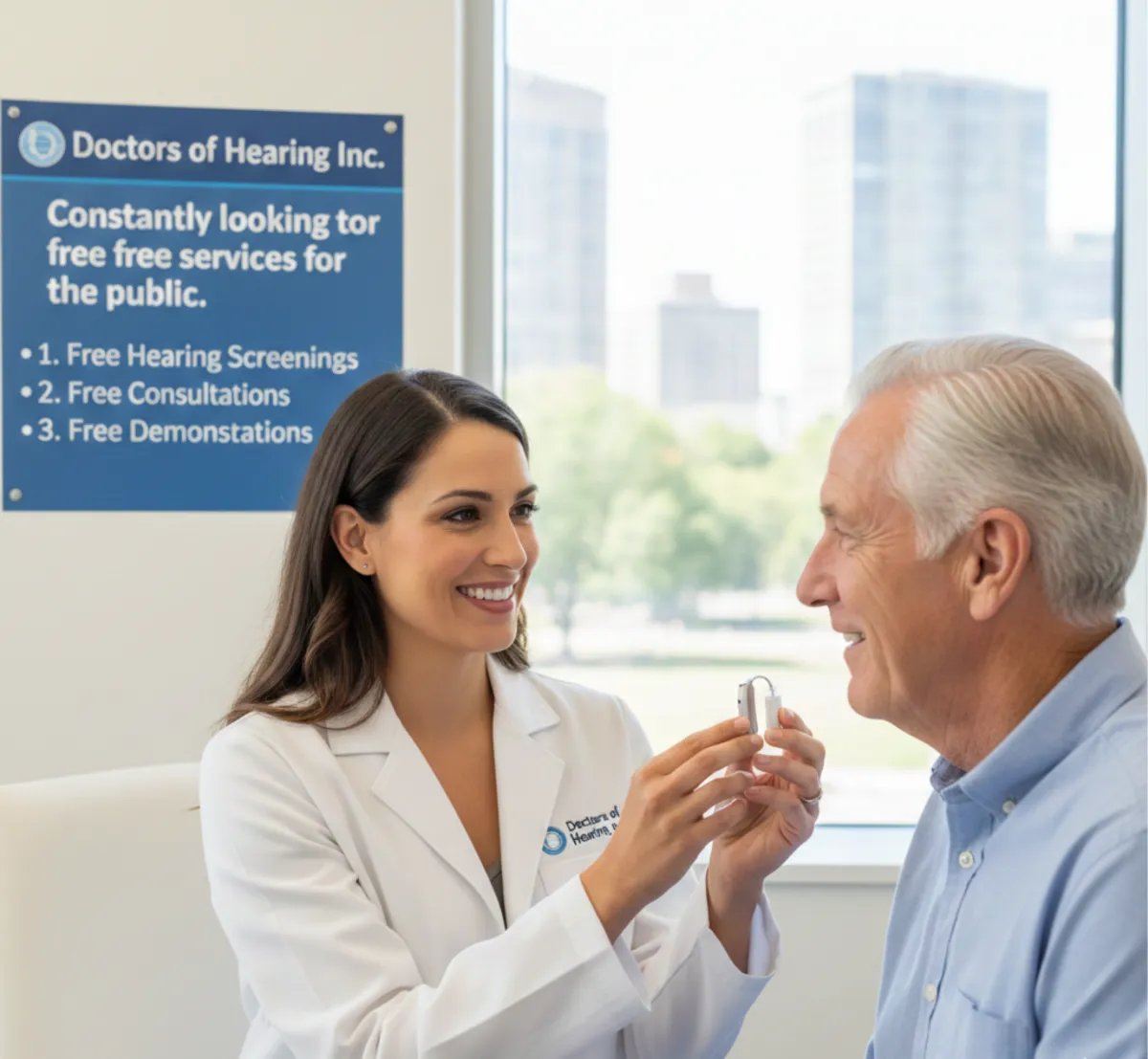
Don’t wait! Schedule your tinnitus evaluation today and start your path toward relief!
Pasadena Office
Rancho Cucamonga
San Dimas Office
Our Purpose
Doctors of Hearing, Inc. is dedicated to improving the quality of life of the hearing-impaired community. Doctors of Hearing, Inc. is your trusted source for the information needed to make informed decisions on hearing aid purchases. Doctors of Hearing, Inc., provides expert testing and proper fitting of hearing aids at a reasonable price.
Company Details
Doctors of Hearing, Inc. is a family-owned audiology practice serving patients through its offices in Pasadena, Rancho Cucamonga, and San Dimas, California. Dr. Norma Camacho, Au.D., CCC-A, ABA, is a licensed dispensing audiologist who is board certified by the American Board of Audiology and holds the ASHA Certificate of Clinical Competence, a nationally recognized credential. She is also a member of the Academy of Doctors of Audiology.
Phone numbers:
626 639-3182 Pasadena Office
909 481-2834 Rancho Cucamonga Office
626 250-6642 San Dimas
About Us
Legal